
At the end of August 2026, paleontologists from the University of Latvia, together with colleagues from Sweden and Australia, described a new species of lungfish, Jumisodus latus. The contours of its tooth plates resemble the sign of Jumis, so the species was named after the Latvian deity of crops. The fossil is approximately 360 million years old [1]. Project leader Ervīns Lukševičs calls Latvia’s Devonian sediments a global treasure trove for ancient fish researchers [1]. Dinosaurs, however, are not found in Latvia, and there is a geological explanation for this as well.
What are fossils and why are they mostly Devonian fish in Latvia
Fossils are the remains, imprints, and traces of activity of ancient animals or plants, also called petrifications [2]. Devonian sedimentary rocks, which are 390 to 360 million years old, are widespread in Latvia and are exposed in many cliffs. During the Devonian period, the territory of Latvia was periodically covered by a shallow, wide sea. Remains of vertebrates in the sandstones of the Burtnieki Formation were found more than 200 years ago [3].
The Devonian is often called the Age of Fishes. At that time, there were no dinosaurs, birds, or mammals on Earth, and fish and jawless vertebrates were the only vertebrates [4]. Therefore, most finds in Latvia are Devonian armored fish and early four-legged animals [5]. Sandstones are relatively easy to prepare, and fossils in them retain a three-dimensional form close to the original [4].
Armored fish: fish with bony armor
Armored fish (Latin Placodermi) are extinct jawed fish. Their heads and necks were covered with heavy bony armor, and they flourished during the Devonian period [6]. One of the best-known Latvian armored fish is Asterolepis ornata, whose unique fossils from the Lode clay pit can be seen at the Latvian National Museum of Natural History, together with remains of the lobe-finned fish Panderichthys [7].
Lobe-finned fish are the ancestors of four-legged animals. Their fins had a well-developed internal skeleton and muscles, and the bones in the fin skeleton can be recognized as those characteristic of human arms and legs [4]. At the end of the Devonian, the first tetrapods evolved from them, a group that today includes amphibians, reptiles, birds, and mammals [4].
Lode clay pit: armored fish juveniles and ancient parasites
The Lode clay pit is located between the village of Liepa and the ancient Gauja valley. The clay deposit was discovered in 1953 by geologist J. Slienis, and in 1970 V. Kuršs found well-preserved Late Devonian armored fish fossils there. The clay is still extracted by the company “Lode,” which produces bricks [8]. According to Lukševičs, Lode is the only place in the world where almost complete armored fish specimens with eye plates, fins, and tails have been found [5].
The Lode fauna includes at least 15 taxa of jawless and jawed fish, and especially well-preserved are the juveniles of the armored fish Asterolepis ornata and the acanthodian Lodeacanthus gaujicus [9]. Ieva Upeniece devoted her 2011 doctoral thesis at the University of Latvia to the juveniles of armored fish and acanthodians in the Lode deposit [10]. The fossil deposit is a protected geological and geomorphological natural monument called “Lode armored fish deposit” [11].
Did you know? Remains of parasitic flatworms have been found in the bodies of Lode fish juveniles. In 2001, paleontologist Ieva Upeniece wrote that this was the first such parasite found in fossils and the oldest parasitic association known at that time [9].
Ventastega: the four-legged predator from the Venta riverbank
Ventastega curonica was first described in 1994 and is known only from three Late Devonian Ketleri Formation sites in western Latvia: Ketleri, Pavāri-1, and Pavāri-2. The Ketleri site on the right bank of the Venta near the abandoned Ketleri homestead has been known since the 1930s [12]. The species name commemorates the Venta River and Kurzeme. Ventastega was a four-legged predator, a little over a meter long, and lived about 365 million years ago, when the territory of Latvia was a few degrees south of the equator [4].
In 2008, the journal Nature published the skull, excellently preserved braincase, shoulder girdle, and part of the pelvis of Ventastega by Per Ahlberg, Ervīns Lukševičs, and colleagues. Ventastega is an intermediate form between the elpistostegids Panderichthys and Tiktaalik and the Devonian tetrapods Acanthostega and Ichthyostega, and it is the most primitive Devonian tetrapod from which extensive remains are known [13]. Lukševičs calls the Ventastega skull the third best-preserved Devonian tetrapod specimen in the world [5]. Both the “Ketleri outcrop” and the “Pavāri outcrops” are protected natural monuments [11], and it was at the Pavāri-2 outcrop in the Ciecere river basin that the new lungfish Jumisodus latus was also found in 2022 [1].
In 2020, the Bank of Latvia dedicated a 5-euro silver collector coin to Ventastega, with a maximum mintage of 3,000 pieces. The design was created by Ivars Drulle; the reverse shows the number 365,000,000, and the obverse features the Ventastega skeleton highlighted with photoluminescent printing: if the coin is kept in bright light for at least 40 seconds, the skeleton glows in the dark [14][4].
Why dinosaurs are not found in Latvia
Dinosaurs appeared in the Late Triassic, about 225 million years ago, and, except for birds, became extinct at the end of the Cretaceous, about 66 million years ago [15]. The widely distributed Devonian rocks in Latvia are 390 to 360 million years old [3], meaning they formed more than 100 million years before the first dinosaurs.
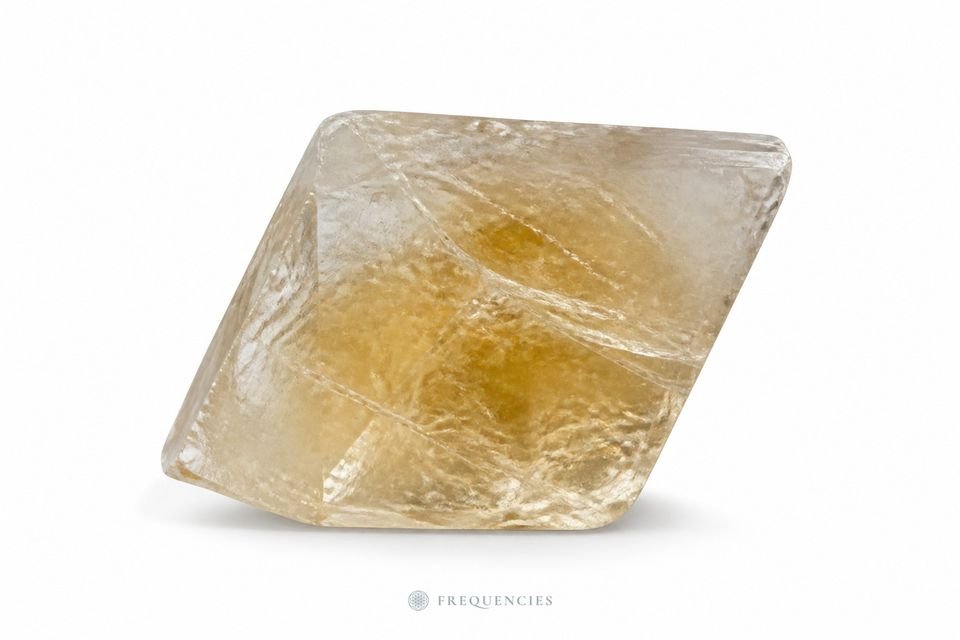
Rocks from the age of dinosaurs are rare in Latvia. The Jurassic ammonites displayed at the Natural History Museum come from the southwestern part of Latvia [7]. The Jurassic Zane Formation clays in Latvia accumulated in the sea, the Papile Formation clays formed on land, and both have been significantly disturbed by Pleistocene glaciers [16]. As recently as 2012, scientists wrote that Mesozoic terrestrial vertebrate fossils were not known in either Lithuania or the wider East Baltic region, including Latvia. The first were found in northwestern Lithuania, in the Šaltiškiai clay pit, and belonged to phytosaurs, semi-aquatic reptiles of the Triassic period, not dinosaurs [17].
Did you know? The paleontology exhibition at the Natural History Museum also features fragments of tyrannosaur teeth [7]. Tyrannosaurus lived in the Late Cretaceous, 68 to 66 million years ago, and its remains have been found in Canada and the USA [18].
Where to see fossils with your family
On the 2nd floor of the Latvian National Museum of Natural History is the 2006 exhibition “Evolution of the Earth and Biosphere,” organized by eras and periods of Earth’s history [7]. The museum’s paleontological collection includes 430-million-year-old corals, 160-million-year-old mollusk shells, and mammoth bones, but its most valuable part is the diverse Devonian fish collection [19].
The main feature of the paleontology exhibition at the University of Latvia Museum is the outstanding finds of Devonian armored fish [20]. During Museum Night 2025, the permanent geology exhibition was also open in the natural sciences collections at Kronvalda Boulevard 4 [21], but please check the current opening hours before your visit. In nature, Devonian rocks can be seen, for example, on the Venta riverbank at Ātrais kalns, where sediments formed at the very end of the Devonian with plant root structures and ancient soils are exposed, or on the steep shores of the Vidzeme coast, where Devonian sandstones show tidal features and fish fossils [3].
How to behave at natural monuments
In the territory of a protected geological and geomorphological natural monument, it is forbidden to write, draw, or engrave on the natural monument and to move it, as well as to light fires in caves [22]. Some areas have their own rules. For example, in the nature reserve “Rocky Seashore of Vidzeme,” it is forbidden to damage, break, or move stones on the beach and to remove stones and sand from the beach. Outside protected areas, stones may be collected for personal use if this is previously agreed with the landowner [23].
The Lode clay pit is an active production site, so please arrange your visit with the company in advance. If you find an unusual fossil, photograph it in the place where it was found and show it to specialists, for example, at the Natural History Museum or the Department of Geology at the University of Latvia.
How to store ammonite and septarian at home
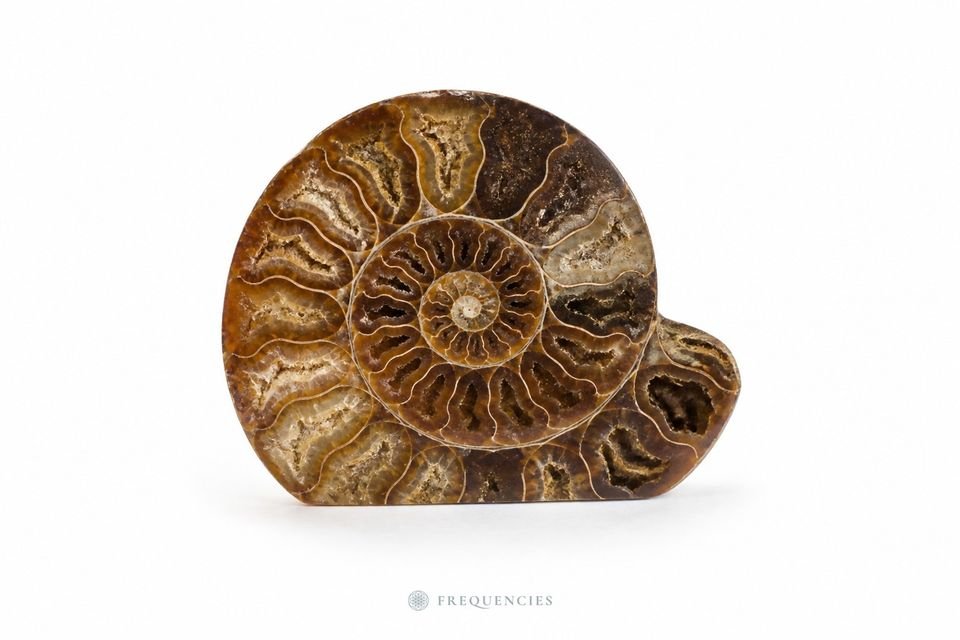
Ammonite is the shell of an extinct marine cephalopod, usually replaced by calcite, aragonite, or pyrite. Ammonoid fossils are found from the Devonian to the end of the Cretaceous, when they became extinct about the same time as the dinosaurs. Wipe dust off with a dry, soft cloth. Calcite and aragonite shells react with acids, while pyritized ammonites can start to oxidize and crumble in humidity, so store them in a dry place [24]. In trade, ammonites are sometimes glued, filled, or polished, so also examine the back of the specimen [24]. Read more about how to recognize imitations and treated stones in the article How to Recognize a Real Crystal.
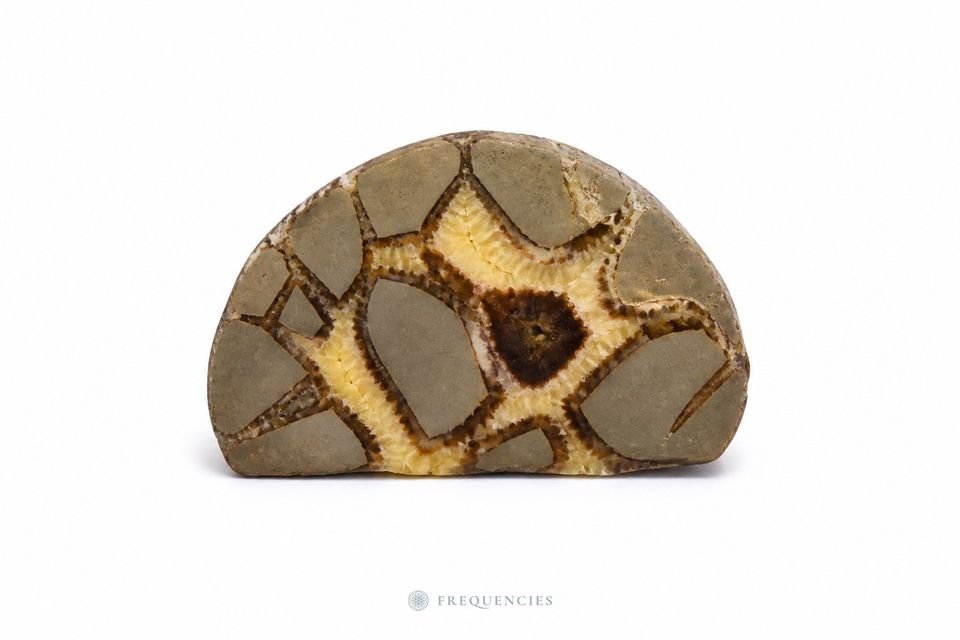
Septarian is not a mineral but a concretion: a matrix of clay and carbonates whose cracks have been filled with calcite, less often aragonite, siderite, or barite. The name comes from the Latin septum, partition, and some specimens also preserve fossils, such as ammonites. Calcite reacts with acids, so clean septarian only with a dry or slightly damp soft cloth and dry it immediately [25]. Calcite has a hardness of only 3, so it is easily scratched [26].
All stone care recommendations in one place can be found in our care table. If you want natural-shaped stones in your collection, see raw stones, clusters and geodes, and minerals that often replace ammonite shells can be found in the calcite and pyrite sections; read more about clusters in the article Crystal Forms.
Frequently Asked Questions
Have dinosaurs been found in Latvia?
Not so far. The widely distributed Devonian rocks in Latvia are 390 to 360 million years old, thus older than dinosaurs. As recently as 2012, scientists wrote that Mesozoic terrestrial vertebrates were not known in the entire East Baltic, and the first such remains in Lithuania belonged to phytosaurs, not dinosaurs.
What is Ventastega?
Ventastega curonica is a four-legged predator that lived about 365 million years ago and was a little over a meter long. It is known only from three Ketleri Formation sites in Kurzeme, in the Venta and Ciecere basins, and is named after the Venta River and Kurzeme.
What is an armored fish?
Armored fish (Latin Placodermi) are extinct jawed fish whose heads and necks were covered with heavy bony armor. They were most diverse in the Devonian period, and one of the best-known in Latvia is Asterolepis ornata from the Lode clay pit.
Where can fossils be seen in Riga?
The “Evolution of the Earth and Biosphere” exhibition at the Latvian National Museum of Natural History features Lode armored fish, Jurassic ammonites from southwestern Latvia, and fragments of tyrannosaur teeth. Devonian armored fish finds are also in the paleontology exhibition at the University of Latvia Museum.
Is it allowed to collect fossils in nature?
In protected geological natural monuments, it is forbidden to write, draw, engrave, or move them, and some areas have even stricter rules. Outside protected areas, stones may be collected for personal use if agreed with the landowner.
How to care for an ammonite?
Wipe dust off with a dry, soft cloth and protect from acids. Store pyritized ammonites in a dry place, as they can oxidize and crumble in humidity.
Sources
- Research Latvia (Ministry of Education and Science), 10.09.2026: A New Devonian Lungfish Species Discovered in Latvia
- Tēzaurs.lv (after “Dictionary of the Latvian Literary Language”): fossils
- University of Latvia, Faculty of Exact Sciences and Technology, Department of Geology: Sedimentology and the Devonian vertebrate palaeontology
- Bank of Latvia, collector coin description (PDF): Ventastega
- Research Latvia, 02.04.2026 (Ervīns Lukševičs, Professor, Department of Geology, University of Latvia): Which Came First: the Chicken or the Egg? Explained by Dr. geol. Ervīns Lukševičs
- University of California Museum of Paleontology (UCMP): Introduction to the Placodermi
- Latvian National Museum of Natural History: Exhibition “Evolution of the Earth and Biosphere”
- Enter Gauja (Gauja National Park tourism portal): Lode clay-pit
- Upeniece I., Mitteilungen aus dem Museum für Naturkunde in Berlin, Geowissenschaftliche Reihe 4, 2001: The unique fossil assemblage from the Lode Quarry (Upper Devonian, Latvia)
- Upeniece I., doctoral thesis, University of Latvia, 2011: Palaeoecology of Devonian armored fish and acanthodians and their juveniles in the Lode deposit
- Cabinet of Ministers Regulations No. 461 of 14.07.2022 (Likumi.lv): Regulations on protected geological and geomorphological natural monuments
- Ahlberg P. E., Lukševičs E. et al., Earth and Environmental Science Transactions of the Royal Society of Edinburgh 115, 2024: New light on the braincases of Ventastega curonica and Acanthostega gunnari
- Ahlberg P. E., Clack J. A., Lukševičs E., Blom H., Zupiņš I., Nature 453, 1199-1204, 2008: Ventastega curonica and the origin of tetrapod morphology
- Bank of Latvia, e-monetas.lv coin archive: Ventastega
- University of California Museum of Paleontology (UCMP): Introduction to the Dinosauria
- Pipira D., final thesis, University of Latvia, 2012 (DSpace): Jurassic clayey sediments of Latvia and their formation conditions
- Brusatte S. L. et al., Geological Magazine 150, 2013 (online 2012; University of Edinburgh repository): First record of Mesozoic terrestrial vertebrates from Lithuania: phytosaurs of probable Late Triassic age
- Natural History Museum, London: Dino Directory: Tyrannosaurus
- Latvian National Museum of Natural History: The Palaeontological Collection
- Muzeji.lv, Latvian museum catalogue: Museum of the University of Latvia
- LV portāls, 2025: During Museum Night, unique values of the University of Latvia will be on display
- Cabinet of Ministers Regulations No. 264 of 16.03.2010 (Likumi.lv): General protection and use regulations for specially protected nature territories
- LV portāls, e-consultation, 2025: Is it allowed to collect stones in public outdoor spaces
- FREQUENCIES stone encyclopedia: Ammonite
- FREQUENCIES stone encyclopedia: Septarian
- FREQUENCIES stone encyclopedia: Calcite