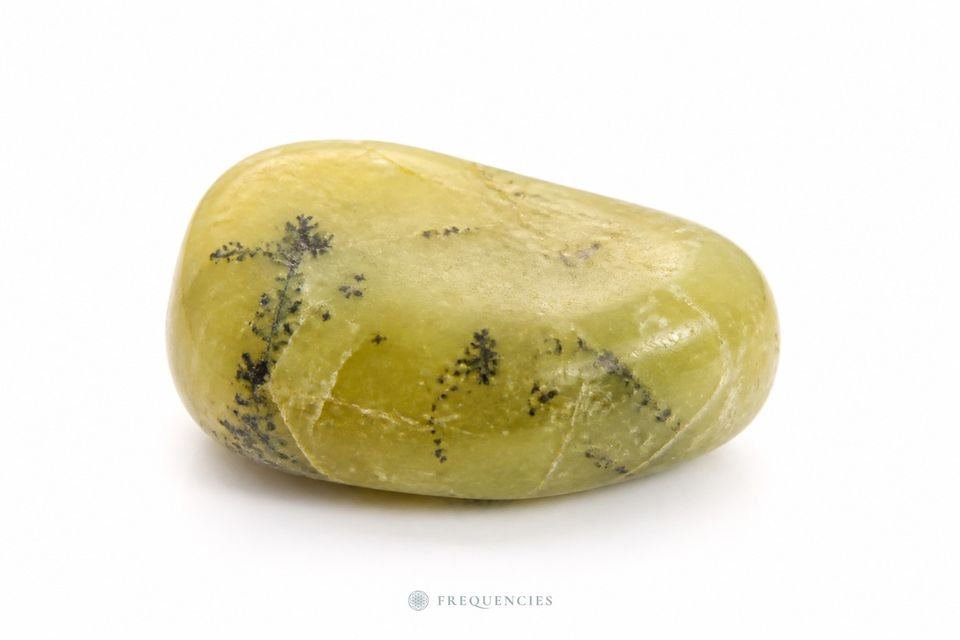
Yellow Serpentine
A pale yellow serpentine, traditionally associated with renewal and change.
Yellow Serpentine is a mineral of the serpentine group, mainly antigorite or lizardite, in a pale yellow to yellowish-green colour with a waxy or silky lustre. The name comes from the Latin word serpentinus, snake-like, because the pattern resembles snake skin. It is found in China and Peru. In the crystal community, serpentine is traditionally associated with renewal and change.
Yellow Serpentine in our shop
Exhibit label
Mohs hardness scale
Moderately hard: durable in everyday wear, but it can be scratched by harder stones. Store it separately.
Care
Water
A brief rinse in lukewarm water, then wipe dry.
Sun
May be kept in a bright place.
Storage
Avoid acids and harsh cleaning agents, prolonged soaking and contact with harder stones.
In the crystal community, the following are used for cleansing: a brief rinse and immediate drying, placing it next to selenite, sound vibrations, moonlight.
Traditional meaning
This is crystal tradition and symbolism, not a scientific or medical claim. The chakras, signs and elements match our product pages.
Chakras
Yellow serpentine is traditionally associated with the heart and crown chakras, which symbolise openness, calm and spiritual clarity.
Zodiac signs
In crystal astrology, yellow serpentine is often recommended to Gemini and Scorpio as a symbol of change and renewal.
Element
The Earth element traditionally symbolises stability, renewal and a connection with nature.
The traditional meaning of crystals has not been medically proven and does not replace the advice of a professional.
Interesting facts
- The name comes from the Latin "serpentinus", meaning "snake-like", because the pattern and lustre resemble snakeskin.
- Serpentine forms when olivine-bearing rocks from the deeper layers of the Earth react with water; this process is called serpentinisation.
- The dense serpentine variety bowenite is sold on the market as "new jade", although it is not jade; yellow bowenite is sometimes called retinalite.
How to use it
- Place it in the living room as a warm, bright natural accent
- Keep it in a pocket in times of change as a symbol of renewal
- Use it in meditation with snake and renewal symbolism
- In jewellery, choose pendants or earrings, which come into less contact with hard surfaces
Pairs well with
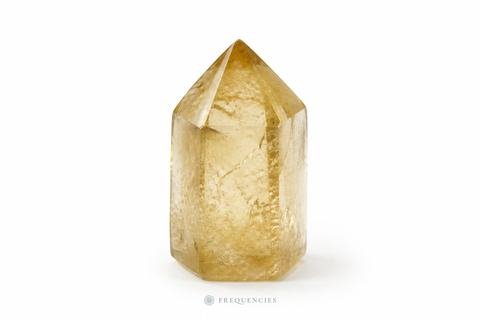 Citrine
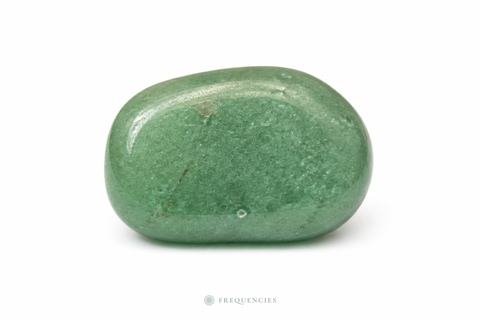 Green Aventurine
 Rose Quartz
 Clear Quartz
Frequently asked questions
What is yellow serpentine?
Yellow serpentine is a mineral of the serpentine group, mainly antigorite or lizardite, with a pale yellow to yellowish green colour and a waxy or silky lustre. The name comes from the Latin serpentinus, snake-like, because the pattern and lustre resemble snakeskin.
What does yellow serpentine symbolise?
In the crystal community, serpentine is associated with renewal and change. Yellow serpentine is linked to the heart and crown chakras, the Earth element and the signs of Gemini and Scorpio.
Is yellow serpentine jade?
No. The dense serpentine variety bowenite is sold on the market as "new jade", although it is not jade, and cheaper serpentine is sometimes dyed to resemble jade. Yellow bowenite is sometimes called retinalite.
How hard is yellow serpentine?
Yellow serpentine has a hardness of 2.5 to 6 on the Mohs scale depending on the mineral, while dense antigorite, or bowenite, is about 5.5. It is softer than quartz, so store it separately from harder stones.
Can yellow serpentine be put in water?
Yes, a brief rinse is fine, but then dry the stone immediately and do not soak it for long. Also avoid acids and harsh cleaning agents, because they can damage the polished surface.
Can yellow serpentine be kept in the sun?
Yes, yellow serpentine generally tolerates sunlight. Just avoid heat, for example do not leave the stone by a radiator or another heat source.