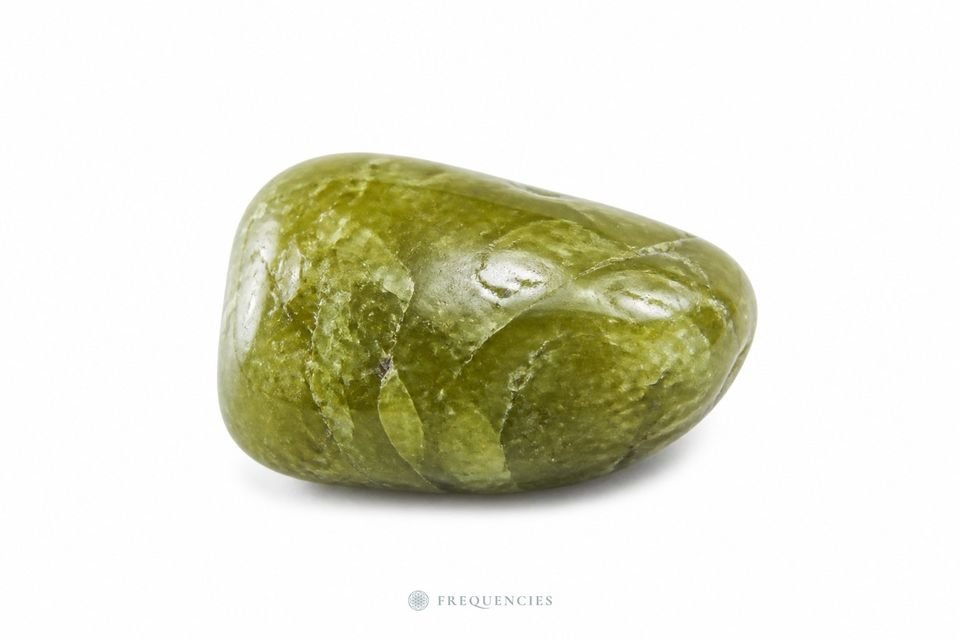
Serpentine
A green, mottled stone with a waxy lustre, traditionally associated with renewal, flow and adaptability.
Serpentine is a group of green minerals, not a single mineral, the main ones being antigorite, lizardite and chrysotile. The name comes from the Latin word serpens, snake, because the mottled green pattern resembles snake skin. Its hardness is 2.5 to 5.5 on the Mohs scale, and the main deposit is in China. In the crystal community, serpentine is traditionally associated with renewal and flow.
Serpentine in our shop
Exhibit label
Mohs hardness scale
A soft stone: it can be scratched by glass and steel. Store it separately and clean it with a soft cloth.
Care
Water
A brief rinse in lukewarm water, then wipe dry.
Sun
May be kept in a bright place.
Storage
Avoid: prolonged heat, harsh cleaning agents, strong knocks.
Note. Soft (2.5 to 5.5) and easily scratched. The fibrous variety chrysotile is one of the types of asbestos, so do not saw or grind the stone yourself.
In the crystal community, the following are used for cleansing: a brief rinse under running water, the presence of selenite, sound vibrations, moonlight.
Traditional meaning
This is crystal tradition and symbolism, not a scientific or medical claim. The chakras, signs and elements match our product pages.
Chakras
Serpentine is traditionally associated with the heart and crown chakras, and it symbolises adaptability.
Zodiac signs
In traditional crystal astrology serpentine is associated with Gemini and Scorpio, as well as with people who value the ability to adapt and inner balance.
Element
The earth element in crystal traditions symbolises balance, and in serpentine it is associated with the ability to adapt.
The traditional meaning of crystals has not been medically proven and does not replace the advice of a professional.
Interesting facts
- Serpentine is not a single mineral but a group of minerals; the main ones are antigorite, lizardite and chrysotile.
- The name comes from the green, mottled pattern that resembles snake skin (Latin serpens, snake).
- In the building stone trade, serpentine is often sold under the name "marble".
How to use it
- Wear it gently as a symbol of renewal and flow
- Keep it close during meditation or quiet moments
- Place it in your work or relaxation area
- Choose it as a gift with symbolic meaning
Varieties
Serpentine occurs in various colours and forms. Each variety has its own page.
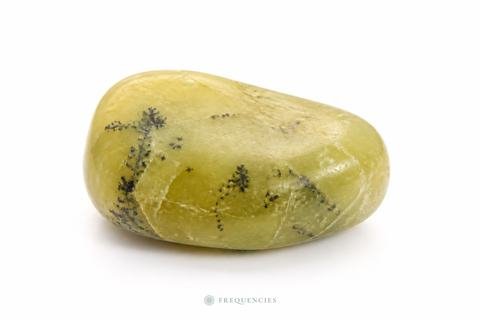 Yellow Serpentine
Pairs well with
 Clear Quartz
 Selenite
 Rose Quartz
 Black Tourmaline
Frequently asked questions
What is serpentine?
Serpentine is a group of green minerals, not a single mineral; the main ones are antigorite, lizardite and chrysotile. The name comes from the Latin word serpens (snake), because the mottled green pattern resembles snake skin.
Is serpentine asbestos?
Usually not. Asbestos is only the fibrous serpentine variety chrysotile, and the risk arises from breathing in its dust, so do not saw or grind serpentine yourself. Polished stone or a finished piece of jewellery does not produce dust.
Is serpentine jade?
No. Serpentine can look similar, and it is often sold under misleading names, for example "Korea jade", but it is usually softer than nephrite and jadeite. Gemmologists tell the two stones apart easily.
What does serpentine symbolise?
Serpentine symbolises renewal, flow and adaptability. In the crystal community it is associated with the heart and crown chakras, the earth element and the signs of Gemini and Scorpio.
May serpentine be put in water?
Yes, briefly. Serpentine can be cleaned with a soft brush, warm water and a mild detergent, but do not soak it for long, and dry it afterwards. Do not use steam or ultrasonic cleaners.
Does serpentine fade in the sun?
Usually not. A short time in the sun does serpentine no harm; it is only prolonged heating that is not recommended, so do not leave the stone on a sun-baked windowsill or near a heater.
How hard is serpentine?
From 2.5 to 5.5 on the Mohs scale, depending on the variety. Serpentine therefore scratches easily and is better suited to earrings, pendants and decor than to a ring for everyday wear.