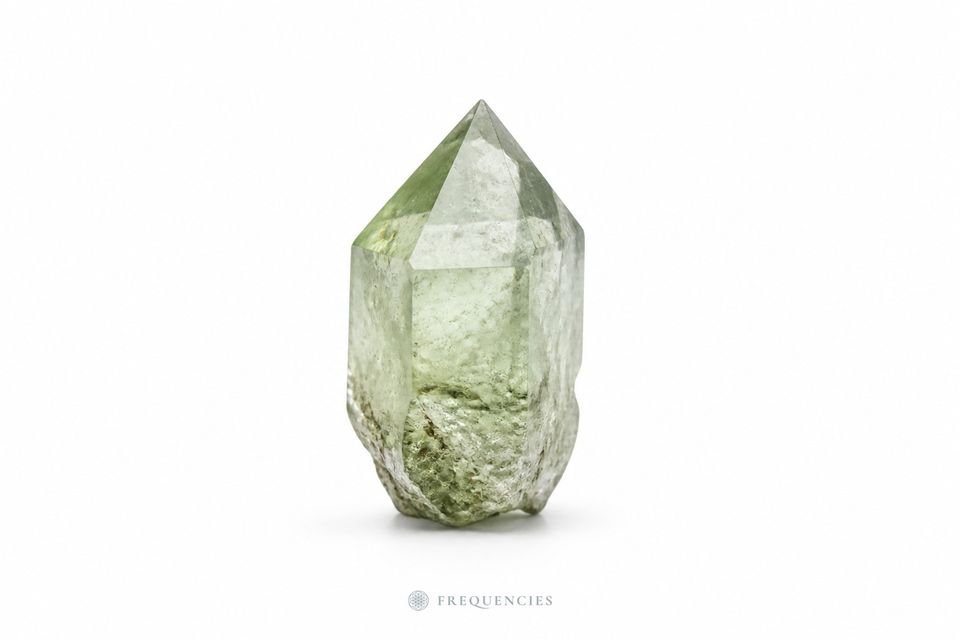
Green Quartz
Quartz in green tones, traditionally associated with growth and abundance.
Green Quartz is quartz in green shades with a hardness of 7 on the Mohs scale, and the transparent green variety is called prasiolite. Naturally green quartz is rare and pale, so most of what is on the market is obtained by heating amethyst from certain deposits. It is found in Brazil, Poland and Canada. In the crystal community, it is traditionally associated with growth and abundance.
Green Quartz in our shop
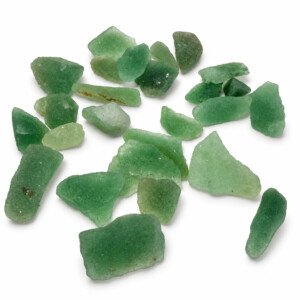
Exhibit label
Mohs hardness scale
A hard stone: it scratches glass and is durable in everyday wear. Even so, protect it from knocks.
Care
Water
Water can damage the surface or colour. Clean with a soft, damp cloth and dry immediately.
Sun
Irradiated or dyed green quartz can lose its colour in prolonged sunlight and heat
Storage
Avoid prolonged direct sunlight, soaking, hot water and harsh cleaning agents.
Note. Until the treatment of the material is known, it is safer to wipe it with a soft, damp cloth and dry it immediately, as also advised on the product page.
In the crystal community, the following are used for cleansing: a soft, damp cloth and immediate drying, the presence of selenite, sound vibrations, moonlight.
Traditional meaning
This is crystal tradition and symbolism, not a scientific or medical claim. The chakras, signs and elements match our product pages.
Chakras
In crystal traditions green quartz is associated with the heart chakra, whose symbolic colour is green. It is regarded as a symbol of growth, compassion and openness.
Zodiac signs
In traditional crystal astrology green quartz is associated with Taurus, whose symbolism includes nature, beauty and calm, gradual growth.
Element
The earth element traditionally symbolises growth, abundance and stability, and the colour green is associated with nature and plants.
The traditional meaning of crystals has not been medically proven and does not replace the advice of a professional.
Interesting facts
- Transparent green quartz is called prasiolite; the name comes from the Greek words "prason" (leek) and "lithos" (stone), that is, "leek-green stone".
- Most prasiolite is obtained by heating amethyst from certain deposits at about 400 to 500 °C; wider production began in the 1950s, when it was discovered that amethyst from the Montezuma mine in Brazil turns green when heated.
- Natural prasiolite is very rare; it was first found in Lower Silesia, Poland, in the early 19th century. The trade name "green amethyst" is not correct.
How to use it
- Use chips in crystal mandalas and decorative compositions
- Pour it into a glass dish together with other green stones as an accent on a nature theme
- Place it next to houseplants or in a corner of a green interior
- Use it in creative projects, for example making jewellery or mosaics
Pairs well with
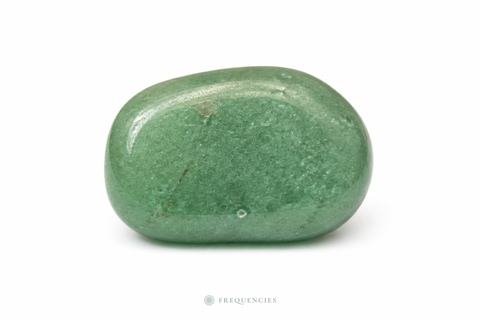 Green Aventurine
 Rose Quartz
 Clear Quartz
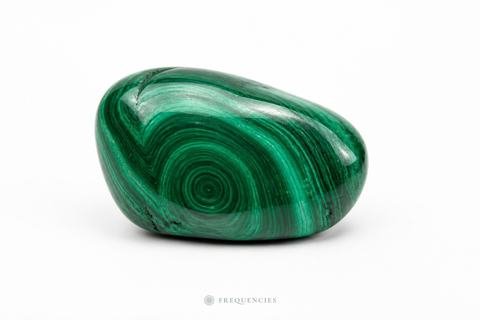 Malachite
Frequently asked questions
What is green quartz?
It is quartz in green tones, from light to medium green. Transparent green quartz is called prasiolite, from the Greek words prason (leek) and lithos (stone), that is, "leek-green stone".
Is green quartz natural?
Usually not. Naturally green quartz is rare and usually very pale, so most of the green quartz on the market is obtained by heating amethyst from certain deposits at about 400 to 500 °C or by irradiating colourless quartz from certain deposits. Cheap beads and chips are often dyed.
Is green quartz green amethyst?
No, the name "green amethyst" is not correct, because amethyst is by definition violet. The correct name is prasiolite, although its raw material is often precisely amethyst.
How does green quartz differ from green aventurine?
In transparency and shimmer. Green aventurine is an opaque or semi-translucent quartz or quartzite with flakes of fuchsite mica that sparkle delicately, whereas prasiolite is a transparent quartz without such a shimmer. Both have a hardness of about 7 on the Mohs scale.
What does green quartz symbolise?
Green quartz symbolises growth, abundance and openness to change. In the crystal community it is associated with the heart chakra, the earth element and the sign of Taurus.
May green quartz be put in water?
Better not. Until it is known whether the stone has been heated, irradiated or dyed, it is safer to wipe it with a soft, damp cloth and dry it immediately, without soaking it or using hot water.
Does green quartz fade in the sun?
It can. Irradiated or dyed green quartz can lose its colour in prolonged sunlight and heat, so store it in the shade and away from heaters.