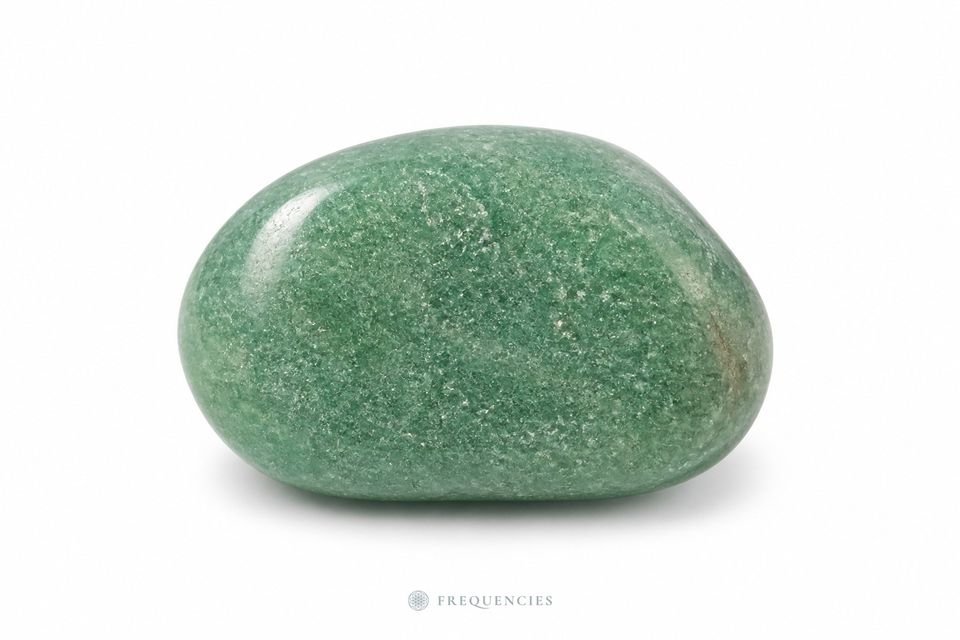
Aventurine
Aventurine is a stone traditionally associated with luck, calm growth and optimism.
Aventurine is a quartzite or quartz with tiny platelet-shaped inclusions that create a shimmer, and its hardness is 6.5 to 7 on the Mohs scale. The green colour is usually given by the mica fuchsite, while orange and brown shades come from hematite or goethite. The name comes from the Italian words a ventura, by chance. In the crystal community, aventurine is seen as a symbol of luck and calm growth.
Aventurine in our shop
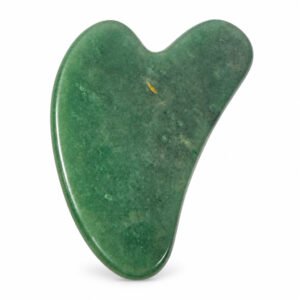
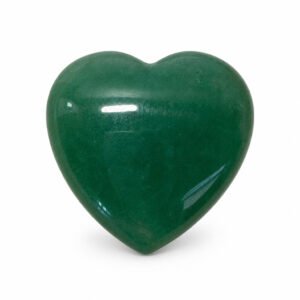
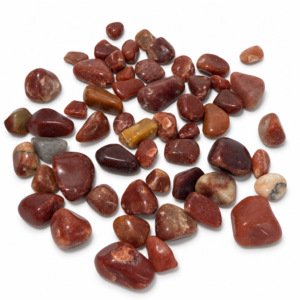
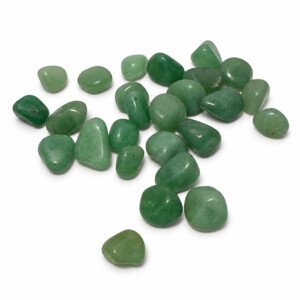
Exhibit label
Mohs hardness scale
Moderately hard: durable in everyday wear, but it can be scratched by harder stones. Store it separately.
Care
Water
A brief rinse in lukewarm water, then wipe dry.
Sun
May be kept in a bright place.
Storage
Avoid: prolonged heat, harsh cleaning agents, strong knocks.
Note. If the stone is porous, dyed or has a softer surface, dry cleansing is the safer choice.
In the crystal community, the following are used for cleansing: a brief rinse under running water, the presence of selenite, sound vibrations, moonlight.
Traditional meaning
This is crystal tradition and symbolism, not a scientific or medical claim. The chakras, signs and elements match our product pages.
Chakras
Aventurine is traditionally associated with the energy of the heart chakra and with optimism.
Zodiac signs
In traditional crystal astrology, aventurine is often associated with people who value optimism and inner balance.
Element
The Earth and Air elements are traditionally said to give this stone optimism and a balanced character.
The traditional meaning of crystals has not been medically proven and does not replace the advice of a professional.
Interesting facts
- The glitter of aventurine (aventurescence) is produced by tiny platy inclusions; the green colour is usually given by fuchsite, a chromium-bearing mica.
- The name comes from the Italian "a ventura" (by chance): according to legend, Venetian glassmakers obtained a glittering glass by accident, and the word was later also applied to the natural stone.
- The largest producer of aventurine is India; the artificial "goldstone" is glass with copper particles, not aventurine.
How to use it
- Wear it every day as a piece of jewellery traditionally associated with luck and calm growth
Varieties
Aventurine occurs in many colours and forms. Each variety has its own page.
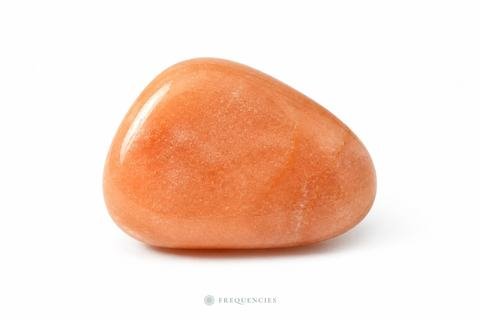 Peach Aventurine
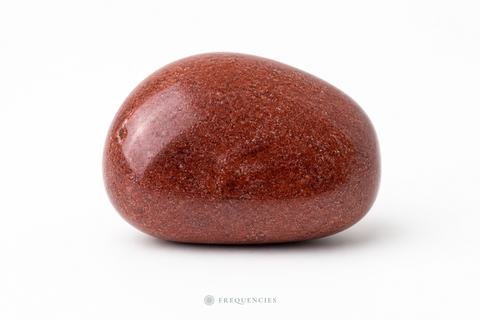 Red Aventurine
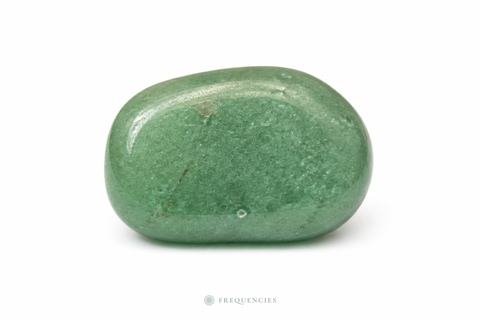 Green Aventurine
Pairs well with
 Clear Quartz
 Selenite
 Rose Quartz
 Black Tourmaline
Frequently asked questions
What is aventurine?
Aventurine is quartzite or quartz with tiny platy inclusions that produce its characteristic glitter, aventurescence. The green colour is usually given by fuchsite, a chromium-bearing mica, and the orange and brown shades by hematite or goethite.
What does aventurine symbolise?
In the crystal community, aventurine is regarded as a symbol of luck and calm growth. It is associated with the heart chakra, the Earth and Air elements and the signs of Aries and Virgo.
Why is aventurine called that?
The name comes from the Italian "a ventura", by chance. This was the name given in Venice to a glittering glass that, according to legend, was obtained by accident, and its production method was developed in the 17th century by the Miotti family. The word was later also applied to the natural stone with a similar glitter.
How can you recognise genuine aventurine?
In genuine aventurine the glitter comes from within, from tiny plates of fuchsite or hematite, and lighter and darker zones are often visible. Goldstone, with its coarse, unnaturally evenly scattered copper particles, is glass, not aventurine.
What colours does aventurine come in?
The most common is green aventurine, and most green and bluish green aventurine comes from India. Orange, brown, yellow, blue and grey aventurine also occur.
Can aventurine be put in water?
Yes. Aventurine is a hard quartz rock (6.5 to 7 on the Mohs scale), and it can be rinsed under running water or washed in warm soapy water. Avoid harsh cleaning agents and prolonged heat.
Can aventurine be kept in the sun?
Yes, a short time in the sun does not usually harm aventurine. Prolonged heating is not recommended, however, so do not leave it near a heat source or on a windowsill that has become hot in summer.
Aventurine in our shop: more
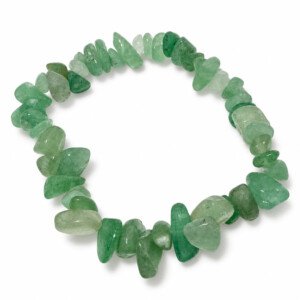
Read more
Aventurine: Properties, Meaning, and How to Use It in Daily Life