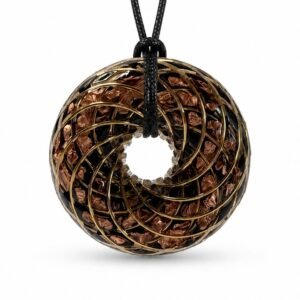
Shungite is named after the Karelian village of Shunga.
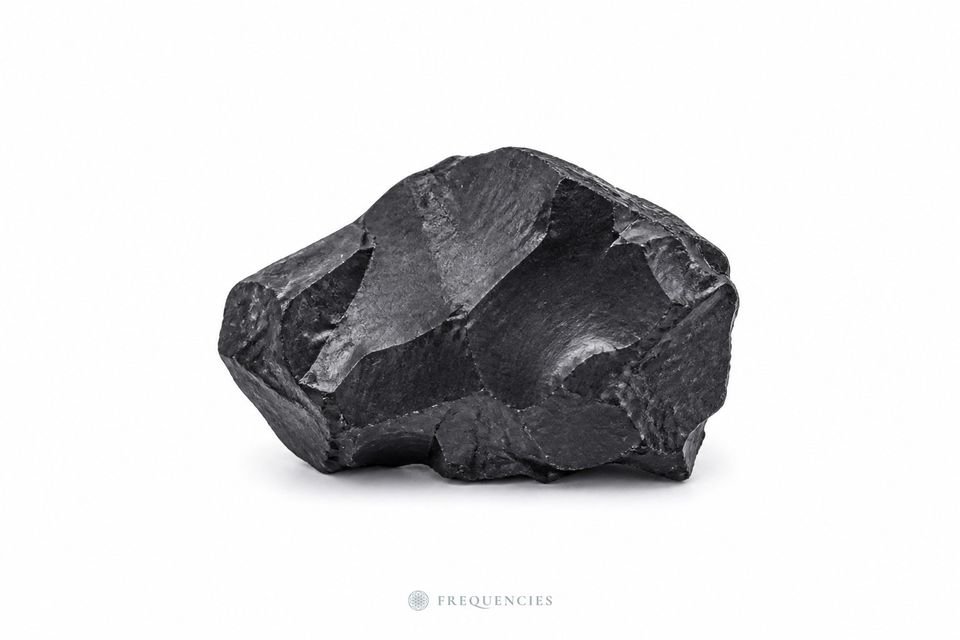
Shungite was first described from specimens from a deposit near the village of Shunga in Karelia, Russia, not far from Lake Onega. It is a black, lustrous or matt material with a very high carbon content.
Shungite is about 2 billion years old.
Shungite is found in layers of Paleoproterozoic metamorphosed sedimentary and volcanic rocks about 2 billion years old. Scientifically, shungite is classified as a mineraloid, not a mineral.
Shungite has been used as a paint pigment since the 18th century.
Since the middle of the 18th century shungite has been used as a black paint pigment. In the 1970s it began to be made into shungizite, a lightweight thermal insulation filler for construction.
There are very few fullerenes in shungite, if any at all.
Fullerenes are special spherical carbon molecules, and some studies have found them in shungite at a concentration of about 1 to 10 parts per million. In another study, published in 2003, no fullerenes were found at all in shungite samples from several Karelian deposits. A small amount of graphene has also been found in shungite.

 Clear Quartz
 Selenite
 Rose Quartz
 Black Tourmaline