The name hematite comes from a Greek word related to blood.
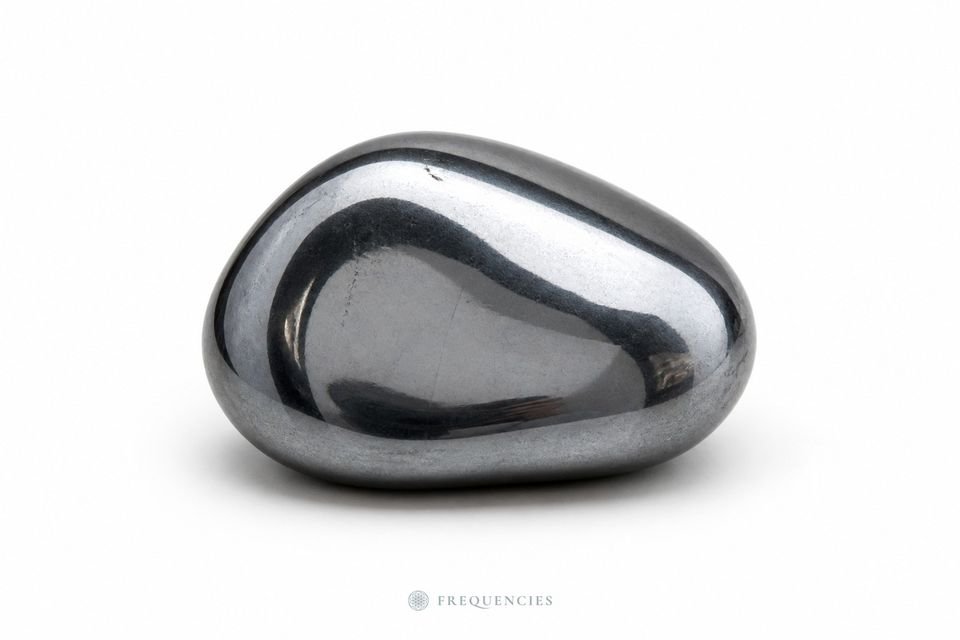
The Greek word haimatitis means blood-red, and the name points to the colour of the mineral's powder. Although hematite can be black, silver-grey or reddish brown, all its specimens leave a reddish streak.
People have used hematite as a pigment for at least 40,000 years.
At least 40,000 years ago, people were already grinding hematite into a fine powder and making paints from it. Prehistoric rock paintings were made with this red pigment, and pure kidney-shaped hematite, or kidney ore, is especially favoured for pigments.
Hematite is the world's most important iron ore.
Magnetite contains more iron, but hematite is more common, so it is the principal ore for iron extraction. The metallic, shiny variety is called specular hematite, or micaceous hematite, and it too leaves a reddish streak.
The "blueberries" found on Mars consist mainly of hematite.
In 2004 NASA's Mars rover Opportunity found tiny spherules on the Meridiani Planum that were nicknamed blueberries, even though they are the size of shot and grey rather than blue. Analysis showed that the main iron-bearing mineral in them is hematite. On Earth, grey hematite usually forms in the presence of liquid water, so the find became important evidence of water in Mars's past.
 Clear Quartz
 Selenite
 Rose Quartz
 Black Tourmaline