The name "schorl" for black tourmaline comes from a village in Saxony.
The name "schorl" was in use before 1400, when the present-day village of Zschorlau in Saxony was called Schorla, and black tourmaline was also found in the nearby tin mines. The first description was given in 1562 by the German pastor Johannes Mathesius. The word "tourmaline", in turn, comes from the Sinhalese language of Sri Lanka.
Tourmaline was called the "Ceylon magnet".
The Dutch East India Company brought tourmalines from Ceylon to Europe in large quantities. It was noticed that warmed tourmaline attracts and then repels hot ash, so it was nicknamed the "Ceylon magnet". This property is called pyroelectricity: when the temperature changes, an electric charge arises at the ends of the crystal.
Schorl is the commonest tourmaline on Earth.
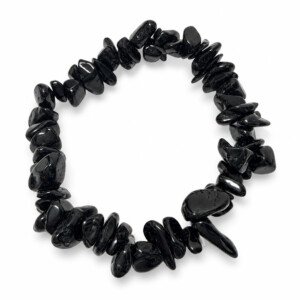
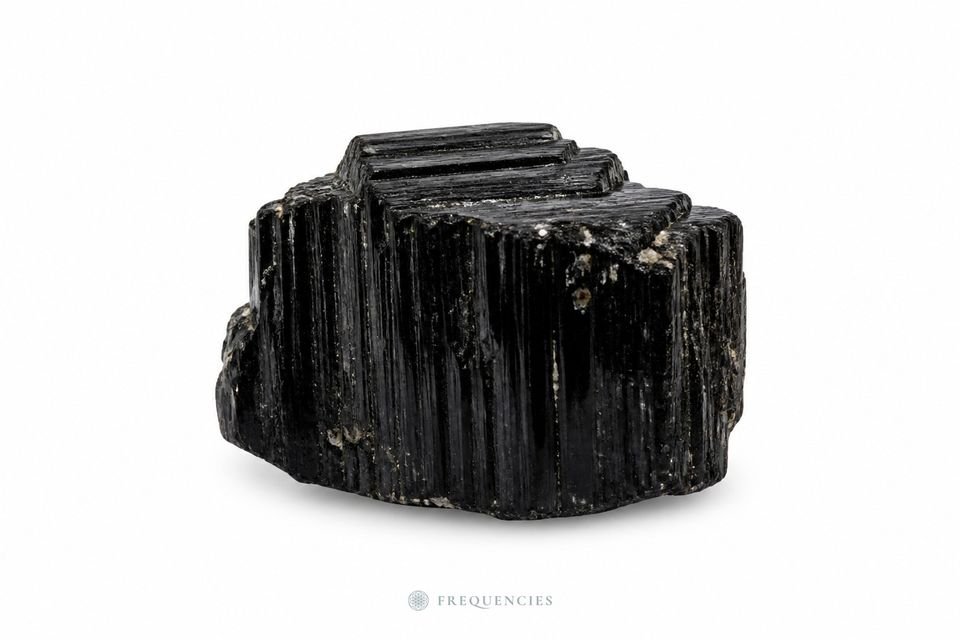
Black tourmaline, or schorl, probably makes up 95% or more of all the tourmaline found in nature. Its crystals are long, with a triangular cross-section and pronounced lengthwise grooves. The coloured tourmalines known as gemstones are much rarer.


 Clear Quartz
 Selenite
 Rose Quartz
 Black Tourmaline