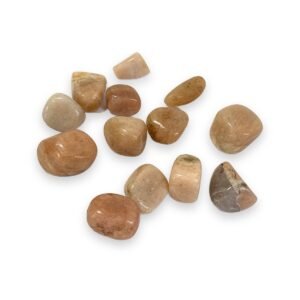
The soft glow of moonstone is named after a Swiss mountain.
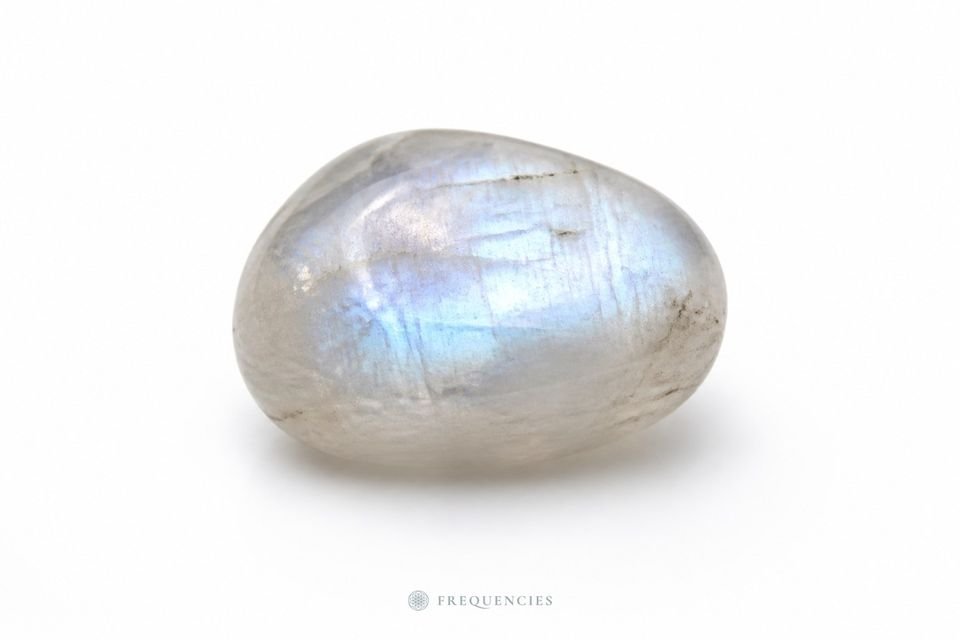
The bluish glow of moonstone is called adularescence. In the past such a stone was called adularia, after Mount Adula in Switzerland, in what is now the St Gotthard area, where one of the first deposits of quality moonstone was found. The glow is produced by the scattering of light in thin, alternating layers of orthoclase and albite.
The Romans believed that moonstone was solidified moonlight.
The ancient Romans believed that moonstone was formed from solidified moonbeams. In Hindu mythology too, moonstone is a stone formed from rays of moonlight. Legends tell that it brings good luck, and some believed that on the night of a full moon it could be used to glimpse the future.
The Art Nouveau masters Lalique and Tiffany fell in love with moonstone.
In the Art Nouveau period moonstone became very popular. The French jeweller René Lalique and the American artist Louis Comfort Tiffany used it in their jewellery. Moonstone is one of the birthstones for June.
In Florida, moonstone is the state gem, even though it is not found there.
In 1970 the US state of Florida declared moonstone its official gem, in honour of the Moon landing. Interestingly, moonstone does not occur naturally in Florida. The finest-quality moonstone is mined in Sri Lanka, but significant quantities are also mined in India, Myanmar and Brazil.



 Clear Quartz
 Selenite
 Rose Quartz
 Black Tourmaline