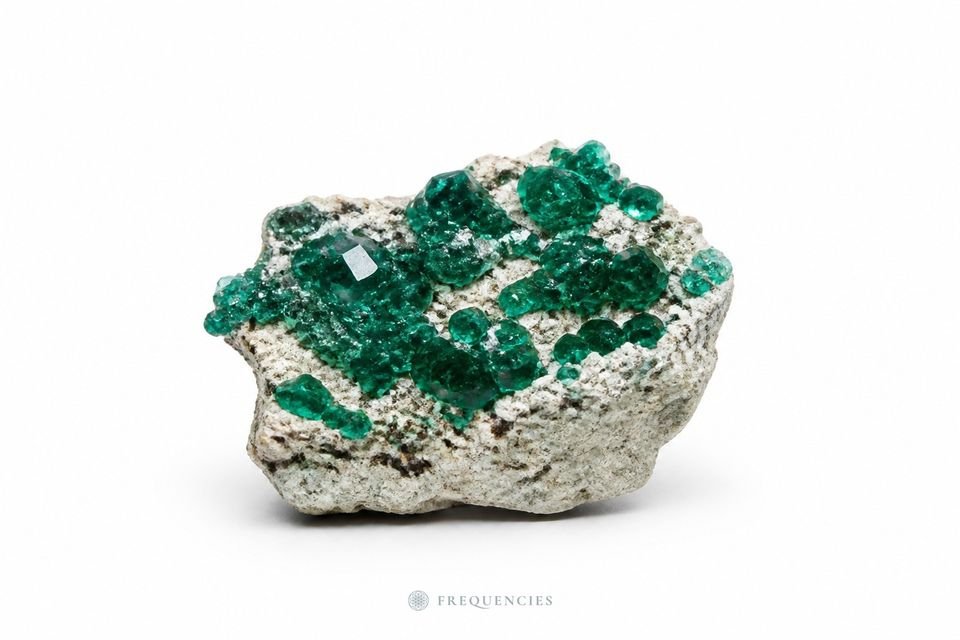
Dioptase
An emerald-green copper mineral, traditionally associated with warmth of heart and renewal.
Dioptase is a copper silicate mineral (CuSiO3·H2O) in a rich emerald green to bluish green colour, with a hardness of 5 on the Mohs scale. The name comes from the Greek words for through and to see, because the cleavage planes can be seen inside the crystal. Miners once mistook it for emerald. In the crystal community, dioptase is traditionally associated with heartfelt warmth and renewal.
Exhibit label
Mohs hardness scale
A soft stone: it can be scratched by glass and steel. Store it separately and clean it with a soft cloth.
Care
Water
Water can damage the surface or colour. Clean with a dry, soft cloth.
Sun
Avoid heat and sudden temperature changes, which can cause cracks along the cleavage planes
Storage
Avoid soaking in water and water elixirs, ultrasonic and steam cleaning, heat, acids and chemicals, and knocks and pressure.
Note. Dioptase contains copper, so it is not used to make drinking-water elixirs, and its dust must not be inhaled or swallowed; looking at and holding finished specimens is safe. It has perfect cleavage, so crystals split easily. Wipe off dust with a soft brush.
In the crystal community, the following are used for cleansing: the presence of selenite, sound vibrations, moonlight, sage or palo santo smoke.
Traditional meaning
This is crystal tradition and symbolism, not a scientific or medical claim. The chakras, signs and elements match our product pages.
Chakras
Dioptase is traditionally associated with the heart and third eye chakras, which in crystal traditions symbolise warmth of heart, renewal and inner vision.
Zodiac signs
In crystal traditions dioptase is attributed to Scorpio and Sagittarius.
Element
The Water element traditionally symbolises feelings, flow and the ability to let go, reflected in the clear green colour of dioptase.
The traditional meaning of crystals has not been medically proven and does not replace the advice of a professional.
Interesting facts
- In the late 18th century, at the Altyn-Tyube deposit in Kazakhstan, miners took dioptase for emerald, but it turned out to be a new mineral, described and named in 1797 by the French mineralogist R. J. Haüy.
- The name comes from Greek words meaning "through" and "to see", because the cleavage planes can be seen when looking into the crystal.
- The green colour of dioptase is determined by copper; with a hardness of 5 it is much softer than emerald (7.5 to 8), so it is rarely used in jewellery.
How to use it
- Place it in a display case or on a shelf where the crystals will not be disturbed
- Use it in meditation as a symbol of the heart chakra, by looking at the specimen rather than holding it in your hands for long periods
- Place it next to rose quartz for a composition of warmth of heart
- Choose it as a rare gift for mineral collectors
Pairs well with
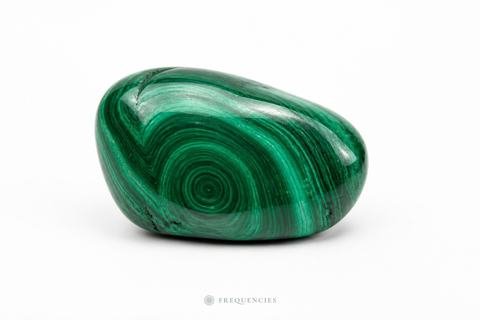 Malachite
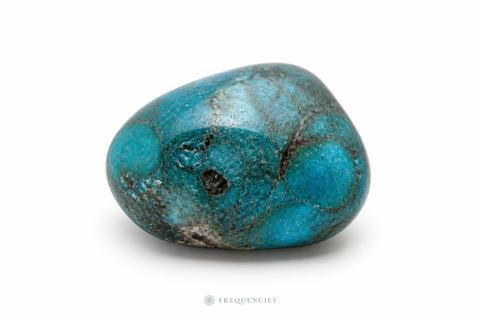 Chrysocolla
 Rose Quartz
 Clear Quartz
Frequently asked questions
What is dioptase?
Dioptase is a copper silicate mineral (CuSiO3·H2O) with a saturated emerald green to bluish green colour, determined by copper. The name comes from Greek words meaning "through" and "to see", because when you look into the crystal the cleavage planes can be seen.
Is dioptase an emerald?
No. In the late 18th century, at the Altyn-Tyube deposit in Kazakhstan, miners took dioptase for emerald, but in 1797 the French mineralogist Haüy described it as a new mineral. The old name "copper emerald" is a reminder of this confusion.
Are dioptase and diopside the same thing?
No. The names are similar, and both minerals are often green, but dioptase is a copper silicate, whereas diopside is a calcium and magnesium silicate from the pyroxene group.
What does dioptase symbolise?
In the crystal community, dioptase is regarded as a symbol of warmth of heart. It is associated with the heart and third eye chakras, the Water element and the signs of Scorpio and Sagittarius.
Is dioptase poisonous?
Only its dust is hazardous. Dioptase contains copper, so its dust must not be inhaled or swallowed, and it is not used for water elixirs. Looking at and holding finished specimens in your hands is safe.
Can dioptase be put in water?
No. Do not soak it and do not use ultrasonic or steam cleaning, because dioptase has perfect cleavage and the crystals split easily. Wipe off dust with a soft brush.
Can dioptase be kept in the sun?
Better not. Heat and sudden temperature changes can cause cracks along the cleavage planes, so do not keep it on a sunny windowsill or near a heat source.
Is dioptase suitable for jewellery?
Rarely. Dioptase has a hardness of only 5 on the Mohs scale, compared with 7.5 to 8 for emerald, and because of its perfect cleavage it is rarely cut for jewellery. It is more often collected as crystal specimens.
Read more
Dioptase: Properties, Meaning, and How to Use It in Everyday Life